
Signs That Stress May Be Affecting Your Body and Mind
Category: Stress
Understanding Everyday Stress and Simple Ways to Feel More in Control
Stress is something everyone experiences from time to time. A looming work deadline, financial worries, family responsibilities, health concerns, or major life changes can all place demands on the mind and body. In small amounts, stress can even be helpful, giving us motivation and focus when we need it most.
The challenge comes when stress becomes frequent, overwhelming, or difficult to switch off. Many people become so used to living with stress that they begin to view it as normal, even though it may be affecting their mood, energy levels, sleep, concentration, and overall wellbeing.
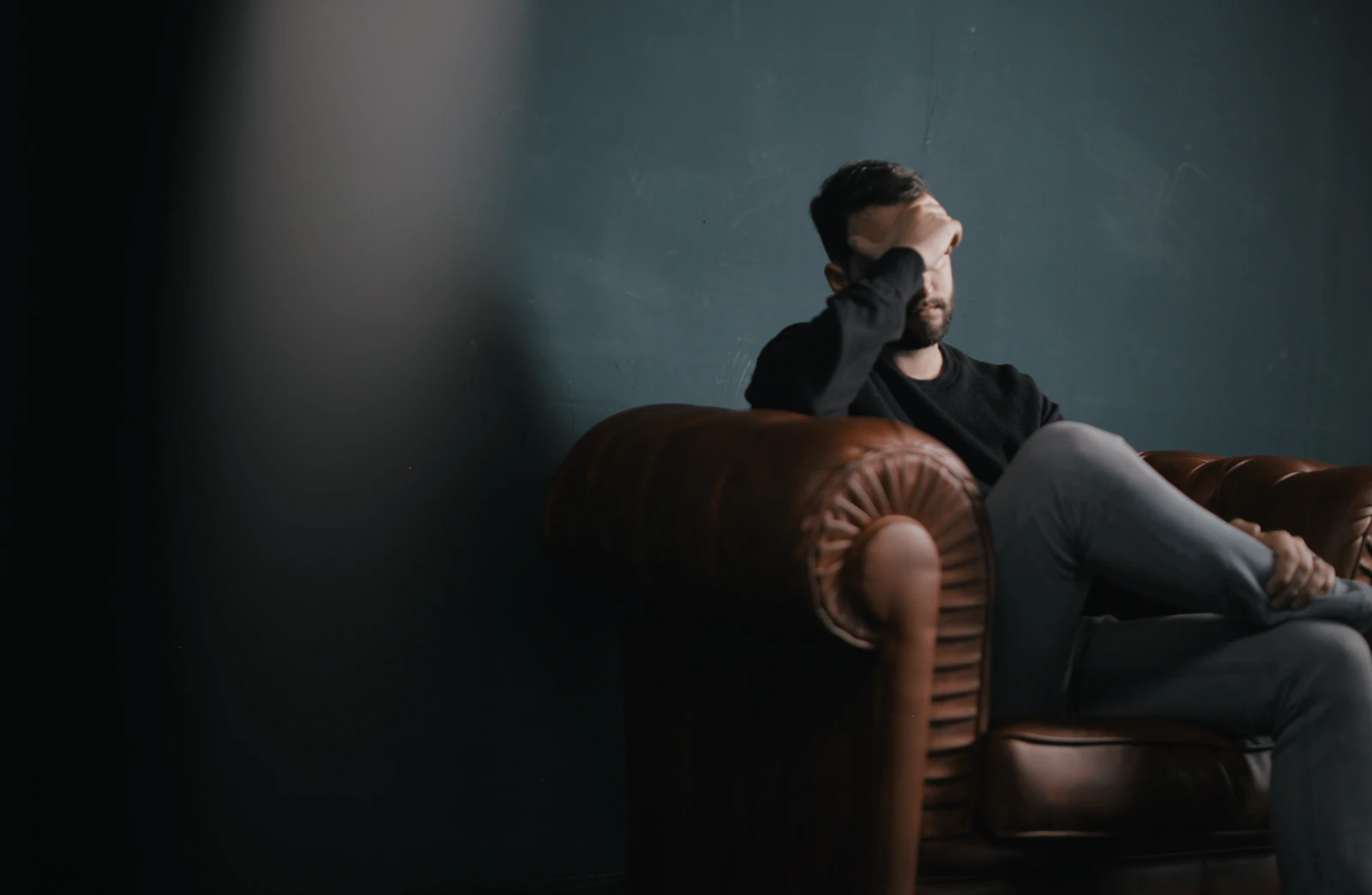
Stress does not always announce itself clearly. Sometimes it appears as tiredness, irritability, headaches, difficulty concentrating, or a sense that you simply cannot fully relax. Learning to recognise the signs of stress is often the first step towards managing it more effectively.
What Happens During Stress?
Stress is your body’s natural response to challenges and demands. When something feels difficult, uncertain, or threatening, your body prepares itself to react. You may notice your heart beating faster, your thoughts speeding up, or your muscles becoming tense.
This response can be useful in short bursts. It may help you react quickly, solve problems, or focus your attention. However, remaining in a heightened state of stress for long periods can become physically and mentally exhausting.
The body is designed to respond to challenges and then recover. When stress becomes ongoing, that recovery period can feel harder to achieve.

Physical Signs of Stress
Stress can affect the body in many different ways. Not everyone experiences the same symptoms, and they can vary depending on the situation and the individual.
- Feeling tired even after sleeping.
- Tense muscles, particularly in the shoulders or neck.
- Headaches or feeling mentally foggy.
- Difficulty relaxing or switching off.
- Digestive discomfort or changes in appetite.
- Feeling restless or physically on edge.
- Difficulty falling asleep or staying asleep.
Sometimes these symptoms can be subtle and easy to dismiss. Over time, however, they may begin to affect your quality of life and overall sense of wellbeing.
Emotional Signs of Stress
Stress does not only affect the body. It can also influence how you think, feel, and respond to everyday situations.
You may notice yourself becoming more irritable, less patient, or feeling overwhelmed by tasks that normally would not bother you. Some people describe feeling mentally overloaded, while others experience low motivation or a sense of emotional exhaustion.
It can also become harder to enjoy activities that you would usually find relaxing. This can create a frustrating cycle where stress reduces the very things that normally help you unwind.
Stress is not always about having too much to do. Sometimes it is about feeling as though you never truly have an opportunity to switch off.
Why Modern Life Can Feel So Stressful
Modern life often makes it difficult to fully disconnect. Many people remain reachable throughout the day and evening through emails, messages, and social media notifications. Work responsibilities can follow us home, and it may feel as though there is always something that needs attention.
At the same time, many people juggle careers, family responsibilities, financial commitments, and health concerns. Even positive life events such as moving house, changing jobs, or becoming a parent can create significant stress.
When multiple demands occur at once, it can feel as though there is little opportunity to rest and recover.

The Connection Between Stress and Sleep
Stress and sleep are closely connected. Feeling stressed can make it difficult to fall asleep or stay asleep, while poor sleep can leave you feeling less resilient and more emotionally reactive the following day.
Many people find that their mind becomes particularly active at bedtime. Worries that seemed manageable during the day can suddenly feel louder when everything becomes quiet.
Creating an evening routine that encourages relaxation may help reduce some of this mental stimulation before bed.
Simple Ways to Manage Everyday Stress
There is rarely one single solution to stress, but small habits can often make a meaningful difference over time.
- Take regular breaks during busy periods.
- Spend some time outdoors and get natural daylight.
- Engage in regular physical activity.
- Reduce unnecessary screen time when possible.
- Write down worries or tomorrow’s tasks before bed.
- Make time for hobbies and activities you genuinely enjoy.
- Talk to someone you trust about how you are feeling.
These habits may seem simple, but consistency is often more important than complexity. Small moments of recovery throughout the day can gradually help reduce feelings of overwhelm.
The Importance of Recovery Time
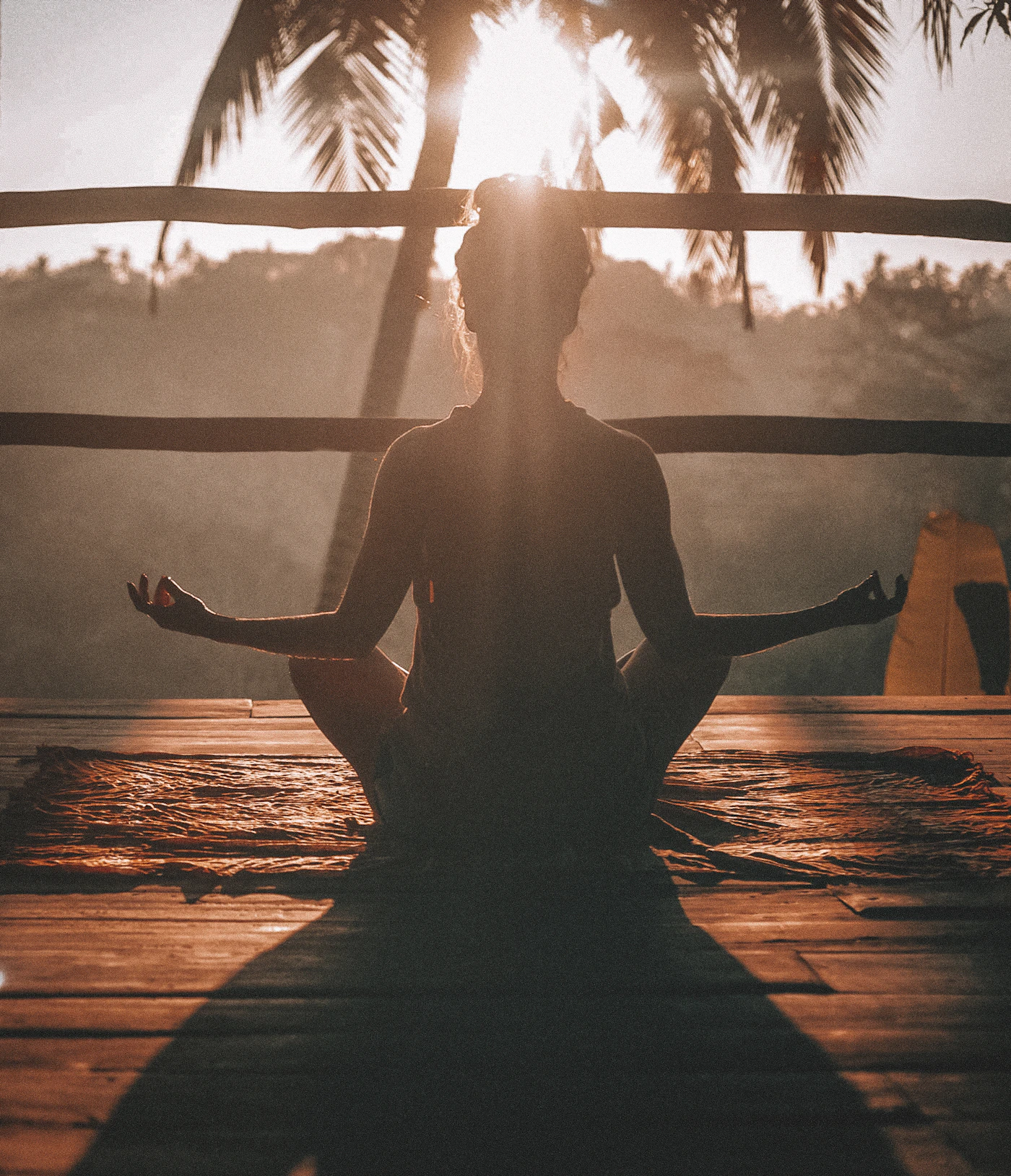
Many people are good at scheduling work, appointments, and responsibilities but rarely schedule time to recover. Rest is not always about doing nothing. It may involve exercise, hobbies, spending time with loved ones, reading, listening to music, or simply sitting quietly without demands on your attention.
Giving yourself permission to rest can sometimes feel difficult, especially during busy periods. However, recovery time often helps you return to challenges feeling calmer, clearer, and better able to cope.
Looking after yourself is not selfish. It is an important part of maintaining both physical and mental wellbeing.
When Stress May Need More Support
Everyone experiences stressful periods, but persistent feelings of overwhelm, ongoing sleep problems, difficulty functioning, or feeling unable to cope deserve attention.
Seeking support is not a sign of weakness. Sometimes talking to a trusted friend, family member, or healthcare professional can provide perspective and help you identify practical ways forward.
The sooner stress is recognised and addressed, the easier it may be to prevent it from having a larger impact on your wellbeing.
Final Thoughts
Stress is a normal part of life, but living in a constant state of pressure and tension can gradually affect both the body and mind. The signs are not always obvious and may appear as tiredness, irritability, poor concentration, or difficulty relaxing.
Paying attention to your stress levels and building small moments of recovery into your routine can make a meaningful difference over time. Better wellbeing rarely comes from one dramatic change. More often, it develops through small, consistent habits that help you feel calmer, more balanced, and more in control.
Leave a Reply