
Simple Diet Changes That Can Make Healthy Eating Feel Easier
Category: Diet
Simple Diet Changes That Can Make Healthy Eating Feel Easier
Healthy eating does not need to feel strict, expensive, or complicated. For many people, the best diet changes are the small ones that are easy to repeat: adding more whole foods, building balanced meals, drinking enough water, and reducing the foods that leave you feeling sluggish.
Rather than chasing the latest diet trend, it often helps to focus on consistency. A balanced approach can support energy, digestion, weight management, mood, and long-term health without making food feel like a daily battle.
Start With Balanced Meals
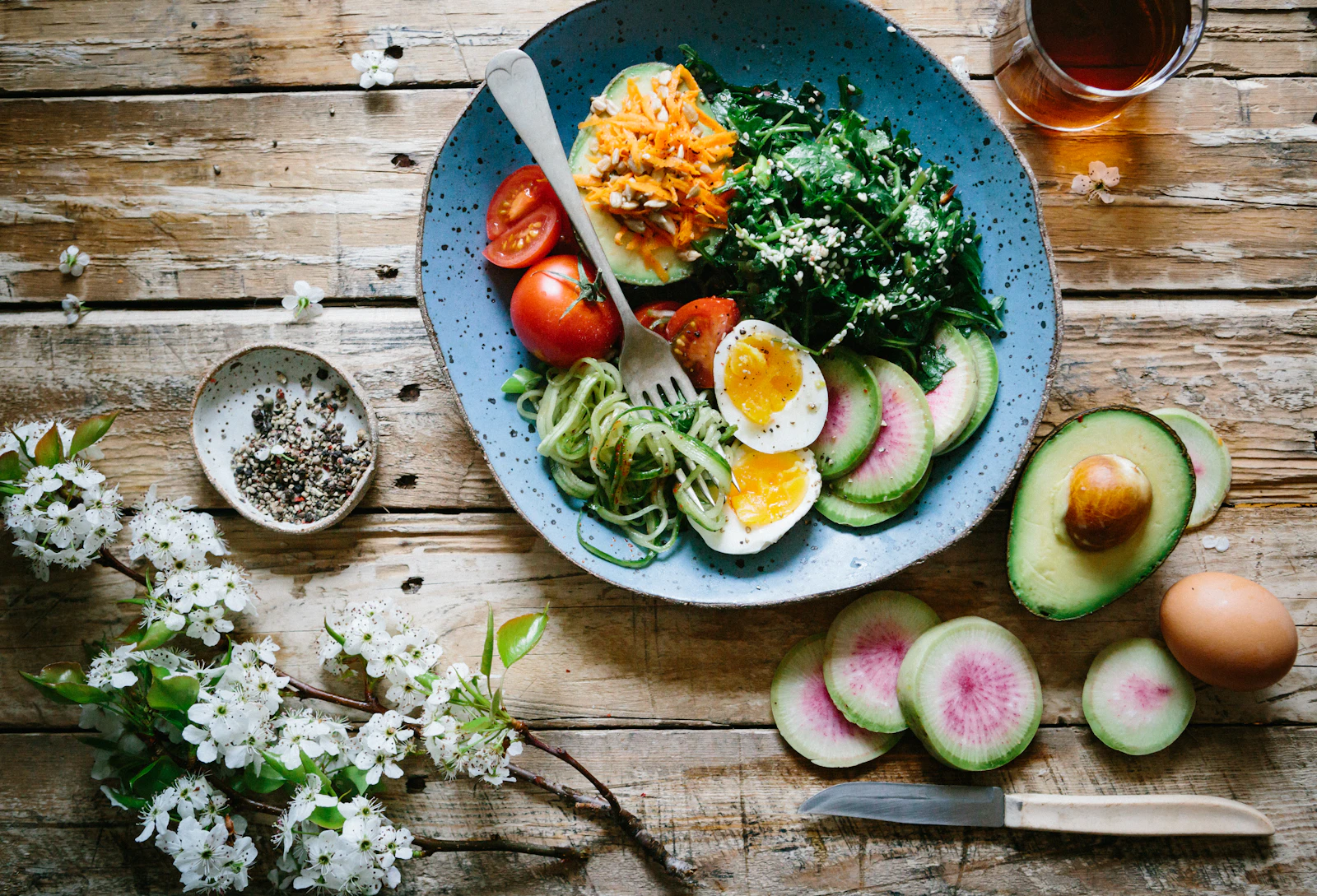
A good place to begin is by looking at the structure of your meals. A balanced plate usually includes a source of protein, high-fibre carbohydrates, healthy fats, and plenty of colourful vegetables or fruit.
- Protein: chicken, fish, eggs, Greek yoghurt, tofu, beans, lentils, or lean meat.
- Carbohydrates: oats, potatoes, brown rice, wholegrain bread, quinoa, or fruit.
- Healthy fats: olive oil, avocado, nuts, seeds, or oily fish.
- Fibre-rich plants: vegetables, berries, beans, pulses, and salad.

Do Not Fear Carbohydrates
Carbohydrates are often unfairly blamed for weight gain, but the type and portion size matter more than simply avoiding them. Whole-food carbohydrates such as oats, potatoes, fruit, beans, and wholegrains provide energy, fibre, and important nutrients.
The key is to choose slower-digesting options most of the time and pair them with protein or healthy fats. This can help keep you fuller for longer and reduce energy crashes later in the day.
Increase Fibre Gradually
Fibre is one of the most useful nutrients for overall health. It supports digestion, helps you feel satisfied after meals, and can contribute to better blood sugar and cholesterol control. Good sources include vegetables, fruit, oats, lentils, beans, seeds, and wholegrains.
If your current diet is low in fibre, increase it slowly. Adding too much too quickly can cause bloating or digestive discomfort. A simple first step is adding one extra portion of vegetables to lunch or dinner each day.
Healthy eating becomes easier when you focus on what to add, not just what to remove.
Make Protein a Priority
Protein helps maintain muscle, supports recovery, and keeps meals satisfying. Many people eat enough protein at dinner but much less earlier in the day. Including protein at breakfast and lunch can help reduce snacking and improve appetite control.
Easy options include eggs, cottage cheese, Greek yoghurt, tuna, chicken, turkey, tofu, lentils, protein-rich smoothies, or beans added to soups and salads.
Watch Liquid Calories
Drinks can quietly add a lot of sugar and calories without making you feel full. Sugary coffees, fizzy drinks, fruit juices, and alcoholic drinks can all add up quickly. You do not need to remove them completely, but reducing them can be one of the simplest ways to improve your diet.
Water, sparkling water, herbal teas, and unsweetened drinks are useful daily choices. If plain water feels boring, try adding lemon, cucumber, mint, or berries.
Plan Simple Meals, Not Perfect Meals
One reason diets fail is that they become too difficult to follow. A realistic meal plan should include foods you actually enjoy, meals you can prepare quickly, and flexible options for busy days.
- Keep easy protein options in the fridge.
- Batch cook rice, potatoes, or roasted vegetables.
- Use frozen fruit and vegetables to save time.
- Prepare healthy snacks before you need them.
- Keep a few simple emergency meals available.
A Simple Day of Eating
Here is an example of a simple, balanced day of eating:
- Breakfast: Greek yoghurt with berries, oats, and seeds.
- Lunch: Chicken or tofu salad wrap with fruit on the side.
- Snack: Apple with peanut butter or a boiled egg.
- Dinner: Salmon, potatoes, and roasted vegetables.
Final Thoughts
The best diet is not the one that looks perfect for a week. It is the one you can keep coming back to. Focus on small improvements, balanced meals, and foods that leave you feeling energised and satisfied.
Over time, these small choices can build into lasting habits that support better health without making food feel restrictive or stressful.
Leave a Reply