
Why Eating More Whole Foods Could Be One of the Best Changes for Your Diet
Category: Food
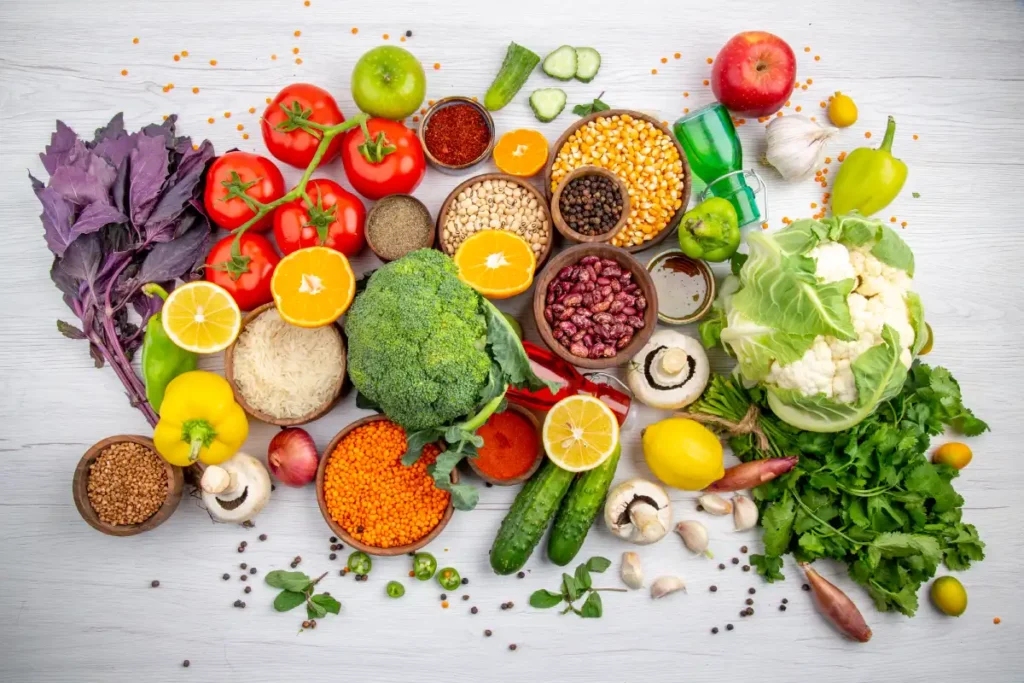
Understanding Whole Foods and How Simple Ingredients Can Support a Healthier Lifestyle
Nutrition advice can often feel complicated. One day we are told to avoid certain foods, and the next day new diets and eating trends appear online promising quick results. With so much information available, it can become difficult to know where to focus your attention.
One simple approach that many people find helpful is eating more whole foods. Rather than concentrating on strict rules or counting every calorie, this approach encourages building meals around simple, recognisable ingredients that have undergone minimal processing.
Whole foods are not a trendy new concept. In many ways, they are simply the types of foods that have formed the basis of traditional diets for generations. Fruits, vegetables, eggs, fish, beans, oats, nuts, seeds, and wholegrains are all examples of foods that can form part of a balanced and enjoyable eating pattern.
What Are Whole Foods?
Whole foods are generally foods that remain relatively close to their natural state. They are often recognisable ingredients that require little explanation and can be used in countless different ways.
An apple, a handful of nuts, a piece of salmon, or a bowl of oats are all examples of simple foods that can easily be included in everyday meals. These ingredients can be combined in countless ways to create nutritious and satisfying dishes.
Importantly, eating more whole foods does not mean that every meal needs to be perfect or completely unprocessed. It simply encourages making simple ingredients a larger part of your overall diet.

Why Simplicity Can Be Helpful
Many diets become difficult because they involve complicated rules and restrictions. Whole foods offer a much simpler way of approaching nutrition.
Instead of worrying about every individual nutrient or following highly restrictive plans, you can focus on preparing meals using straightforward ingredients that you enjoy.
This simplicity often makes healthy eating feel more manageable and easier to maintain in everyday life.
Healthy eating does not always require complicated rules. Sometimes it simply means filling your meals with more simple, recognisable ingredients.
Whole Foods Can Encourage Variety
One of the advantages of focusing on whole foods is the sheer variety available. Different fruits, vegetables, grains, proteins, and healthy fats provide endless opportunities to create meals that are both nutritious and enjoyable.
Exploring different ingredients may also make healthy eating feel more interesting. Trying seasonal produce, experimenting with new recipes, or adding colourful foods to your plate can help prevent meals from becoming repetitive.
Many people find that healthy eating becomes far more enjoyable when they approach it with curiosity rather than restriction.
Whole Foods Can Be Convenient Too
There is a common misconception that eating more whole foods always requires extensive cooking and preparation. In reality, many whole foods are quick and convenient.
Fruit requires almost no preparation, eggs can be cooked in minutes, oats make a simple breakfast, and frozen vegetables provide a practical way to add variety to meals.
Keeping simple ingredients available at home often makes it easier to prepare balanced meals, even during busy periods.
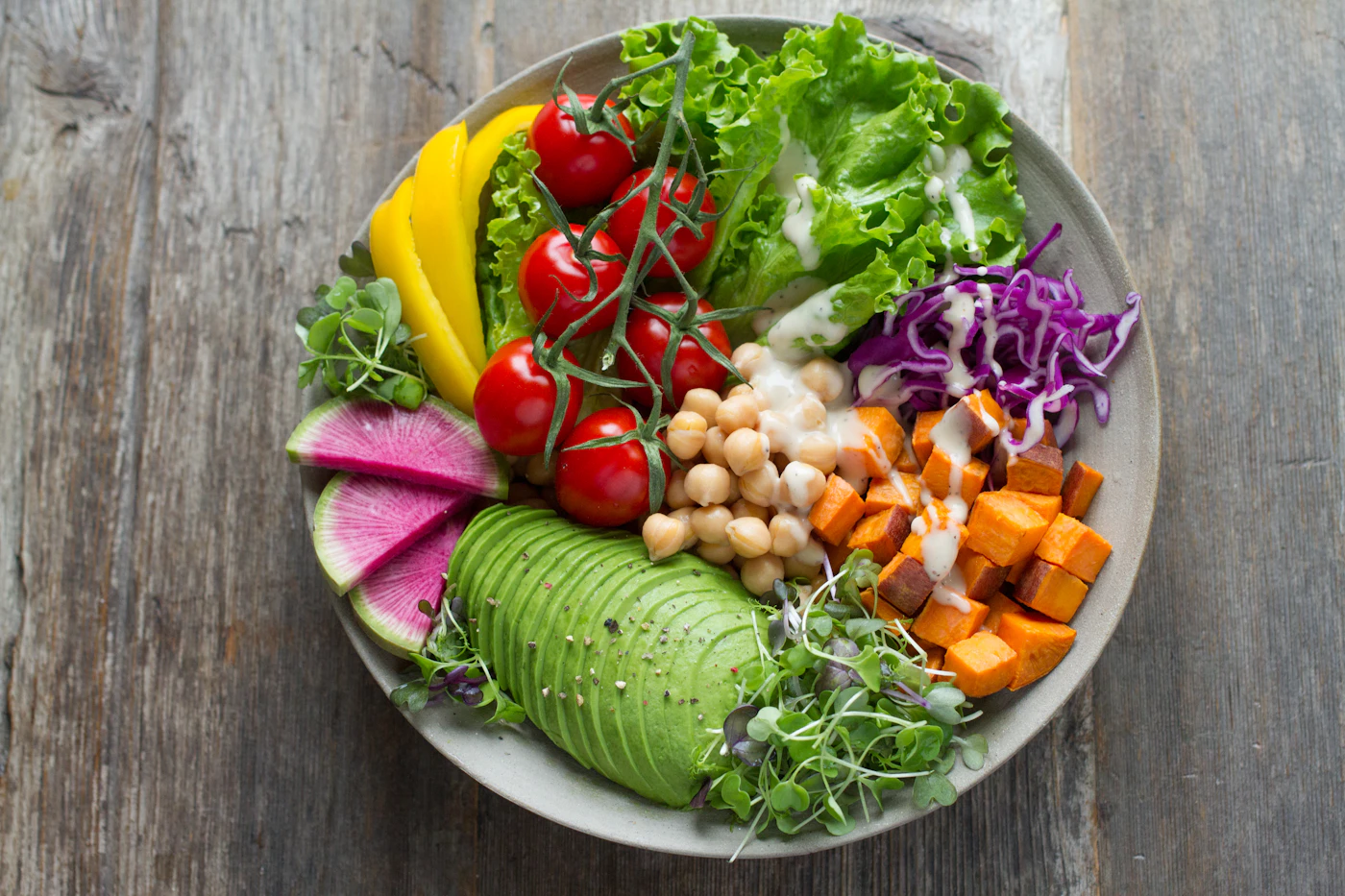
Building Meals Around Whole Foods
Healthy eating often becomes easier when meals are built around a few simple components. For example, a meal might include vegetables, a source of protein, and ingredients that provide flavour and make the meal satisfying.
Examples might include:
- Porridge with berries and nuts.
- Eggs with wholegrain toast and spinach.
- Salmon with vegetables and potatoes.
- Greek yoghurt with fruit and seeds.
- Bean-based soups with wholegrain bread.
- Colourful salads topped with lean proteins.
These meals are not complicated, yet they can form part of a balanced and enjoyable way of eating.
Healthy Eating Should Still Be Enjoyable
Food plays an important role in enjoyment, culture, and social occasions. Healthy eating does not need to eliminate these experiences or become overly restrictive.
Many people find that focusing on whole foods most of the time allows them to develop healthier habits while still maintaining flexibility and enjoyment.
Long-term habits are often built through balance rather than perfection.

Simple Ways to Eat More Whole Foods
- Choose fruit as a regular snack.
- Add vegetables to lunch and dinner.
- Prepare breakfasts based around simple ingredients such as oats or eggs.
- Keep frozen vegetables and fruit available at home.
- Try one new whole food ingredient each week.
- Build meals around recognisable ingredients where possible.
- Cook simple meals at home more often.
- Focus on consistency rather than perfection.
These habits may appear relatively modest, but together they can help make healthy eating feel more natural and sustainable.
Leave a Reply