
Why Looking After Your Blood Pressure Is an Important Part of Heart Health
Category: Heart Health

Understanding Blood Pressure and Why Everyday Lifestyle Habits Matter
Heart health is influenced by many different factors, and one area that often receives considerable attention is blood pressure. Despite hearing the term regularly, many people are unsure what blood pressure actually means or why it matters.
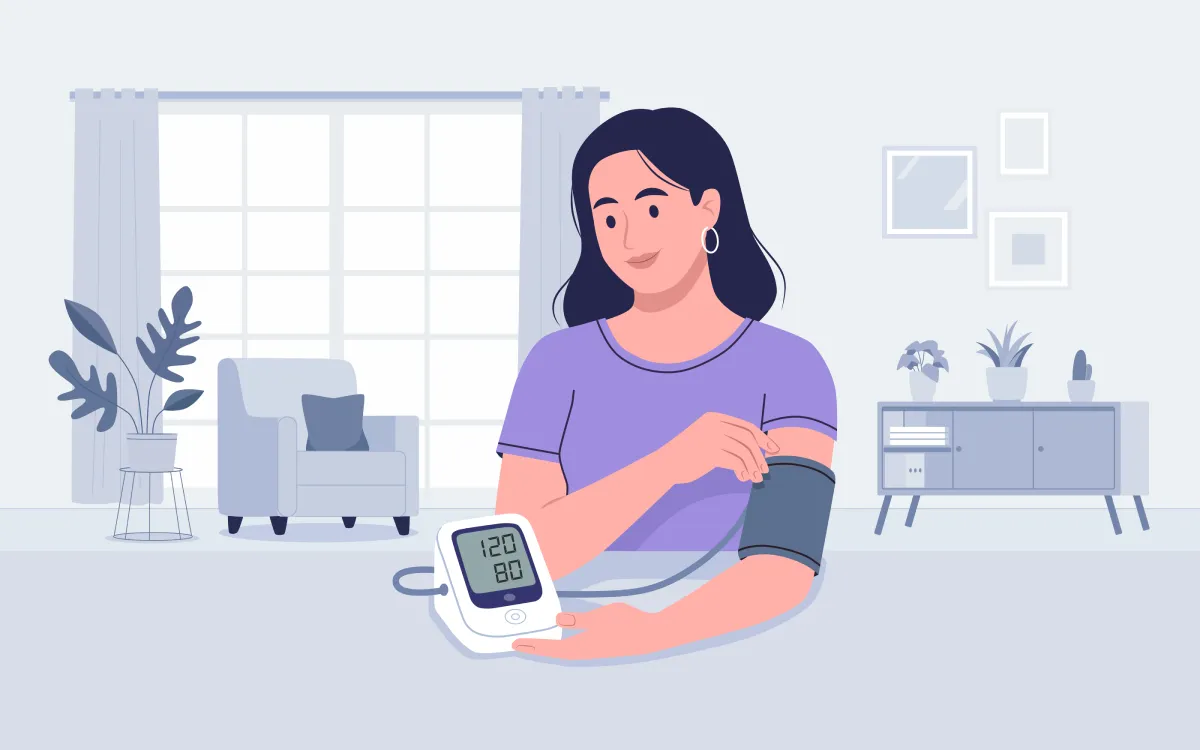
In simple terms, blood pressure refers to the force of blood pushing against the walls of your arteries as your heart pumps blood around the body. It is a normal and essential part of how the cardiovascular system functions.
Understanding blood pressure and developing healthy everyday habits can encourage greater awareness of overall wellbeing and help people take a more proactive approach to looking after their heart health.
Why Blood Pressure Receives So Much Attention
Blood pressure is frequently discussed because it forms one part of the bigger picture of cardiovascular health. Healthcare professionals often include blood pressure measurements during routine health checks as part of understanding a person’s overall wellbeing.
Many people are surprised to learn that blood pressure can fluctuate throughout the day. Factors such as physical activity, stress, excitement, sleep, and even consuming caffeine may temporarily influence readings.
This is one reason why blood pressure is usually considered alongside other aspects of health rather than viewed in isolation.

Lifestyle Habits Can Influence Heart Health
Heart health is often influenced by a combination of habits that develop over time. Nutrition, movement, sleep, stress management, and maintaining a balanced lifestyle all contribute to overall wellbeing.
Rather than focusing entirely on one measurement or searching for quick solutions, many experts encourage people to view health through a wider lens and pay attention to daily routines.
Building realistic habits often feels more achievable than attempting dramatic lifestyle changes that become difficult to maintain.
Heart health is rarely determined by one single factor. More often, it reflects the collection of habits that shape everyday life.
Regular Movement Matters
Many people spend large portions of the day sitting. Desk work, long commutes, and screen time can all reduce opportunities for movement.
Fortunately, physical activity comes in many forms. Walking, gardening, recreational sports, cycling, and household activities can all contribute to a more active lifestyle.
Small amounts of movement performed consistently often feel more realistic and sustainable than highly demanding exercise programmes.

Nutrition Plays an Important Role
Healthy eating does not need to involve complicated rules or restrictive diets. Many balanced eating patterns are built around simple, nutritious foods that people genuinely enjoy eating.
Including fruits, vegetables, wholegrains, legumes, nuts, seeds, and a variety of colourful ingredients can make meals feel both enjoyable and satisfying.
Focusing on consistency rather than perfection often helps people build habits that feel practical and sustainable over time.
Stress and Sleep Also Matter
Modern lifestyles can sometimes feel relentlessly busy. Work responsibilities, family commitments, financial concerns, and constant digital distractions often leave people feeling mentally drained.
Creating opportunities to relax and prioritising good-quality sleep can positively influence overall wellbeing. Many people find they feel physically and mentally better when they allow themselves adequate time for rest and recovery.
Looking after your heart often involves viewing health holistically and recognising the importance of both physical and mental wellbeing.

Simple Habits That Support Heart Health
- Remain physically active throughout the week.
- Eat a balanced and varied diet.
- Stay hydrated during the day.
- Prioritise consistent sleep routines.
- Create opportunities to manage stress.
- Spend time outdoors whenever possible.
- Take an interest in understanding your health measurements.
- Focus on gradual improvements rather than perfection.
These habits may seem relatively simple, but together they can encourage a more balanced approach to overall health and wellbeing.
Heart Health Is a Long-Term Commitment
Looking after your heart is rarely about following a temporary programme or making extreme lifestyle changes. Instead, it often involves developing habits that feel realistic enough to maintain over many years.
Building awareness, staying engaged with healthy routines, and focusing on consistency can help make positive lifestyle choices feel less overwhelming and more sustainable.
Perhaps most importantly, supporting heart health is not about perfection. It is about making small choices every day that contribute positively to your overall wellbeing.
Final Thoughts
Blood pressure is one of several important aspects of cardiovascular health and can serve as a useful reminder to take an active interest in your overall wellbeing. Rather than becoming overly focused on individual numbers, many people benefit from viewing health as the result of numerous small habits working together over time.
Regular movement, balanced nutrition, quality sleep, stress management, and maintaining awareness of your health can all become meaningful parts of a heart-conscious lifestyle. Often, it is these simple and consistent choices that provide the strongest foundations for long-term wellbeing.
“`
Leave a Reply